Warehouse Careers: A Complete Guide for Freshers
Meta Title: Warehouse Careers: Freshers’ Guide to Opportunities
Meta Description: Discover career opportunities in the warehouse sector. Learn about jobs, skills, growth, and interview tips to start your warehouse journey.
Introduction
Have you ever wondered what keeps the supply of goods moving smoothly from manufacturers to your doorstep? The unsung hero behind this efficiency is the warehouse. Far more than just storage, warehouses are bustling hubs of activity, offering endless career opportunities for freshers.
If you’re just starting your professional journey and want to explore an industry that promises growth, stability, and variety, then a warehouse job could be your perfect entry point. In this guide, we’ll explore everything from what warehouses do, why they matter, to how you can kick-start a rewarding career in this sector.
Table of Contents
| Sr# | Headings |
|---|---|
| 1 | What is a Warehouse? |
| 2 | Why Warehouses are Crucial in Today’s World |
| 3 | Types of Warehouses You Should Know |
| 4 | Job Roles Available in Warehouses |
| 5 | Qualifications and Eligibility for Freshers |
| 6 | Essential Skills for a Successful Warehouse Career |
| 7 | Benefits of Working in a Warehouse |
| 8 | Challenges in Warehouse Jobs and How to Overcome Them |
| 9 | Career Growth Opportunities in the Warehouse Industry |
| 10 | Technology and Automation in Warehouses |
| 11 | Preparing for a Warehouse Job Interview |
| 12 | What to Bring to a Warehouse Interview |
| 13 | Day in the Life of a Warehouse Worker |
| 14 | Tips for Freshers Entering the Warehouse Industry |
| 15 | Future of Warehousing: Trends You Should Watch |
1. What is a Warehouse?
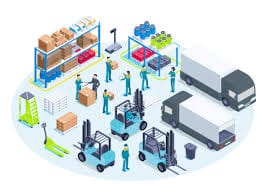
A warehouse is not just a storage space; it’s the heartbeat of supply chains. Think of it as a giant pantry where businesses keep their stock before it reaches customers. From raw materials to finished goods, everything passes through a warehouse.
2. Why Warehouses are Crucial in Today’s World
In today’s fast-paced e-commerce-driven economy, warehouses act as the bridge between manufacturers and customers. Imagine ordering a phone online. Where does it come from before reaching you? A warehouse. Without them, businesses would struggle to manage inventory, speed, and customer satisfaction.
3. Types of Warehouses You Should Know
Not all warehouses are the same. Here are the main types:
- Public Warehouses: Available for multiple businesses to store goods.
- Private Warehouses: Owned by companies for their own products.
- Distribution Centers: Focus on fast movement rather than long storage.
- Cold Storage Warehouses: Designed for perishable goods like food or medicine.
Each type plays a different role depending on the industry.
4. Job Roles Available in Warehouses
Warehouses offer diverse opportunities, such as:
- Warehouse Associate: Handles packing, sorting, and moving goods.
- Inventory Clerk: Keeps records of incoming and outgoing products.
- Forklift Operator: Moves heavy loads safely.
- Warehouse Manager: Oversees operations and ensures efficiency.
5. Qualifications and Eligibility for Freshers
Most warehouse jobs are beginner-friendly. Companies often require:
- Basic education (B.Sc, B.Com, BA, BCA or similar).
- Age between 19–25 years (for fresher roles).
- Physical fitness and willingness to learn.
6. Essential Skills for a Successful Warehouse Career
To thrive in a warehouse, you’ll need:
- Teamwork: Warehouses run like clockwork only when everyone collaborates.
- Time Management: Deadlines are critical.
- Attention to Detail: Mistakes in labeling or shipping can be costly.
- Tech Skills: Knowing how to use scanners and software is a plus.
7. Benefits of Working in a Warehouse
Working in a warehouse comes with many advantages:
- Steady Employment: Warehousing is always in demand.
- Skill Development: Gain experience in logistics, inventory, and teamwork.
- Career Growth: Start small and rise to managerial roles.
- Physical Activity: Unlike desk jobs, this keeps you active.
8. Challenges in Warehouse Jobs and How to Overcome Them
Yes, warehouse jobs can be demanding. Common challenges include:
- Physical Workload: Standing or lifting for long hours.
- Tip: Maintain fitness and proper posture.
- Time Pressure: Meeting delivery deadlines.
- Tip: Learn prioritization techniques.
- Repetitive Tasks: Can feel monotonous.
- Tip: Focus on long-term career growth opportunities.
9. Career Growth Opportunities in the Warehouse Industry
Warehousing isn’t just an entry-level job—it’s a stepping stone. With experience, you could advance to:
- Team Leader or Supervisor
- Warehouse Manager
- Logistics Coordinator
- Supply Chain Analyst
10. Technology and Automation in Warehouses
Modern warehouses use robotics, AI, and management software. While some fear automation reduces jobs, it actually creates new roles in tech management, maintenance, and operations.
11. Preparing for a Warehouse Job Interview
Here’s how to prepare:
- Update your resume with relevant coursework or internships.
- Highlight soft skills like teamwork and responsibility.
- Be ready to answer practical questions like, “How would you handle a misplaced item?”
12. What to Bring to a Warehouse Interview
For walk-in interviews, always carry:
- Resume (updated).
- Academic Documents (certificates).
- ID Proofs (Aadhar, PAN, or equivalent).
13. Day in the Life of a Warehouse Worker
A typical day includes:
- Checking stock received in the morning.
- Sorting and labeling goods.
- Preparing packages for dispatch.
- Recording inventory updates.
It’s fast-paced but rewarding, much like being part of a sports team where everyone plays a role.
14. Tips for Freshers Entering the Warehouse Industry
- Be Punctual: Time is money in warehousing.
- Stay Fit: Physical stamina helps.
- Keep Learning: Stay updated with new tech and processes.
- Build Relationships: Networking with colleagues opens future opportunities.
15. Future of Warehousing: Trends You Should Watch
The warehouse industry is evolving rapidly:
- Green Warehousing: Focus on sustainability and eco-friendly practices.
- Smart Warehouses: Powered by IoT and real-time tracking.
- E-commerce Boom: Online shopping keeps demand high.
Conclusion
A warehouse career is more than just a job—it’s a gateway to the larger world of logistics and supply chain management. For freshers, it offers hands-on learning, steady income, and countless opportunities to grow. Whether you’re just out of college or looking for your first break, stepping into a warehouse role could be your smart move toward a fulfilling future.
FAQs
1. What qualifications do I need for a warehouse job as a fresher?
Usually, a basic degree like B.Sc, B.Com, BA, or BCA is enough. Companies also look for enthusiasm and willingness to work.
2. Are warehouse jobs physically demanding?
Yes, some roles require lifting and moving goods, but proper training and fitness make the work manageable.
3. Can I build a long-term career in warehousing?
Absolutely! With experience, you can move into supervisory, managerial, or logistics roles.
4. Do warehouses use modern technology?
Yes, many warehouses use advanced tools like barcoding, scanners, and even robotics to improve efficiency.
5. Is warehousing a stable industry for freshers?
Yes, warehousing is essential for industries like e-commerce, manufacturing, and retail, making it a stable and growing field.
Would you like me to expand this into a tailored article specifically highlighting the upcoming Hetero Labs warehouse fresher interview (from your poster), so freshers get both career insights and practical walk-in details?
To Join In Whatsapp group Click below Link
https://chat.whatsapp.com/ERzsuXoDDnOLBZ3spkddn5
ITI JOB ALTERS WHATSAPP GROUP
https://chat.whatsapp.com/Kv3A7ymWIU7D1pZZaUrEiS
To Join Telegram Channel Click Below Link
https://t.me/careerpathwayjobs
To know the Latest Job updates click below Link
Career Pathway – Guide to your success
At the bottom of each job post, add a section like:
👉 “See more Pharmacy Jobs”
👉 “Explore more Degree Jobs